Docxsity Agent
Biotechnology | Class 12 (English)
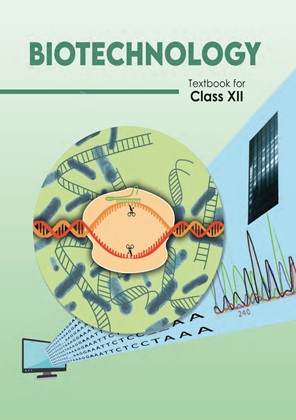
The "Biotechnology textbook for Class XII" is presented as an invaluable educational resource, offering a comprehensive exploration of biotechnological principles and their diverse applications. This textbook is specifically designed to enhance students' understanding by seamlessly integrating theoretical knowledge with practical implications, thereby providing a clear link to real-world scenarios. It is noted that the book builds upon foundational concepts covered in Class XI, ensuring a smooth transition for learners as they delve into more applied aspects in Class XII. The curriculum is structured to address the welfare of society across multiple domains, including agriculture, health, and environmental conservation, aligning with the recommendations of the National Education Policy-2020 by fostering critical thinking and an awareness of societal needs.
Within the realm of agriculture, the textbook highlights significant advancements, particularly showcasing improved crop varieties that exhibit increased productivity and enhanced resilience through pest resistance and tolerance to conditions like drought and salinity. It details how GM technology and molecular-assisted breeding have led to higher yields and crops with superior nutritional features, along with innovations such as plant-made pharmaceuticals. For health, the book discusses biotechnology's substantial contributions, including the production of crucial therapeutic agents like human growth hormone and insulin, the accurate diagnosis of various genetic and infectious diseases, and the development of numerous vaccines, notably those effective against COVID-19. Emerging fields such as regenerative medicine, nanobiotechnology, and synthetic biology are also explored for their potential in future medical applications.
Regarding environmental conservation, the textbook emphasizes the vital role of biotechnological tools. It elaborates on methods like bioremediation, which utilizes microorganisms and plants to treat wastewater, sewage, and detoxify substances such as heavy metals and pesticides. The book also covers the detection of toxic substances through biosensors and strategies for their elimination from soil. Furthermore, it delves into the production of biofuels, or agrofuels, derived from biological products, living organisms, or waste, presenting them as environment-friendly alternatives to non-renewable fossil fuels and thereby contributing to a more sustainable future.
Beyond scientific content, the textbook places considerable emphasis on entrepreneurship, dedicating a specific chapter to fostering these skills. It educates students on the process of establishing and managing biotechnology-based enterprises, conceptualizing entrepreneurship as the strategic amalgamation of science and business to create value from life science innovation. This focus prepares students for real-world applications and economic contributions, underscoring that biotech entrepreneurs are instrumental in job creation, economic development, and bringing innovative solutions to market. The book also outlines the unique challenges faced by biotech entrepreneurs, suchining high capital requirements, inherent scientific uncertainty, and extended gestation periods, providing a holistic view of the dynamic biotechnology industry.
